- Home
- About
- Institute
- Academics
- Campus and Facilities
- Research and Development
- Trainning and Placement
- Student Life
- Mandatory Disclouser
The Department of Electronics & Telecommunication Engineering (ETC) at Parala Maharaja Engineering College was established in 2013 and offers a 4-year B.Tech program in Electronics & Telecommunication Engineering and a 2-year M.Tech program in VLSI & Embedded Systems Design. The department focuses on areas such as communication systems, VLSI design, embedded systems, digital signal processing, wireless communication, networking, and microelectronics.
Modern curriculum covering:
The department emphasizes both strong theoretical foundations and extensive practical laboratory training to prepare students for careers in industry, research, and higher studies.
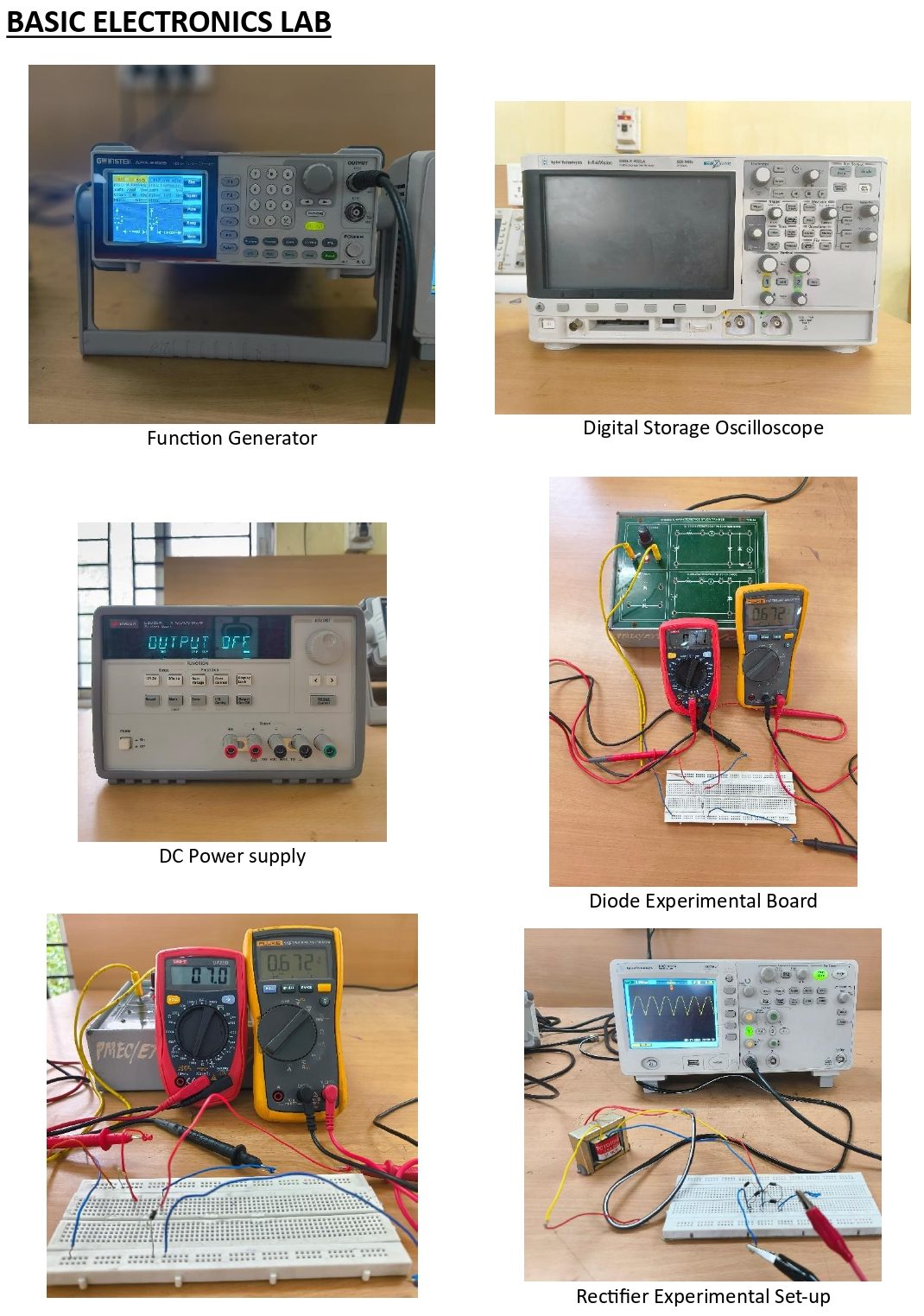
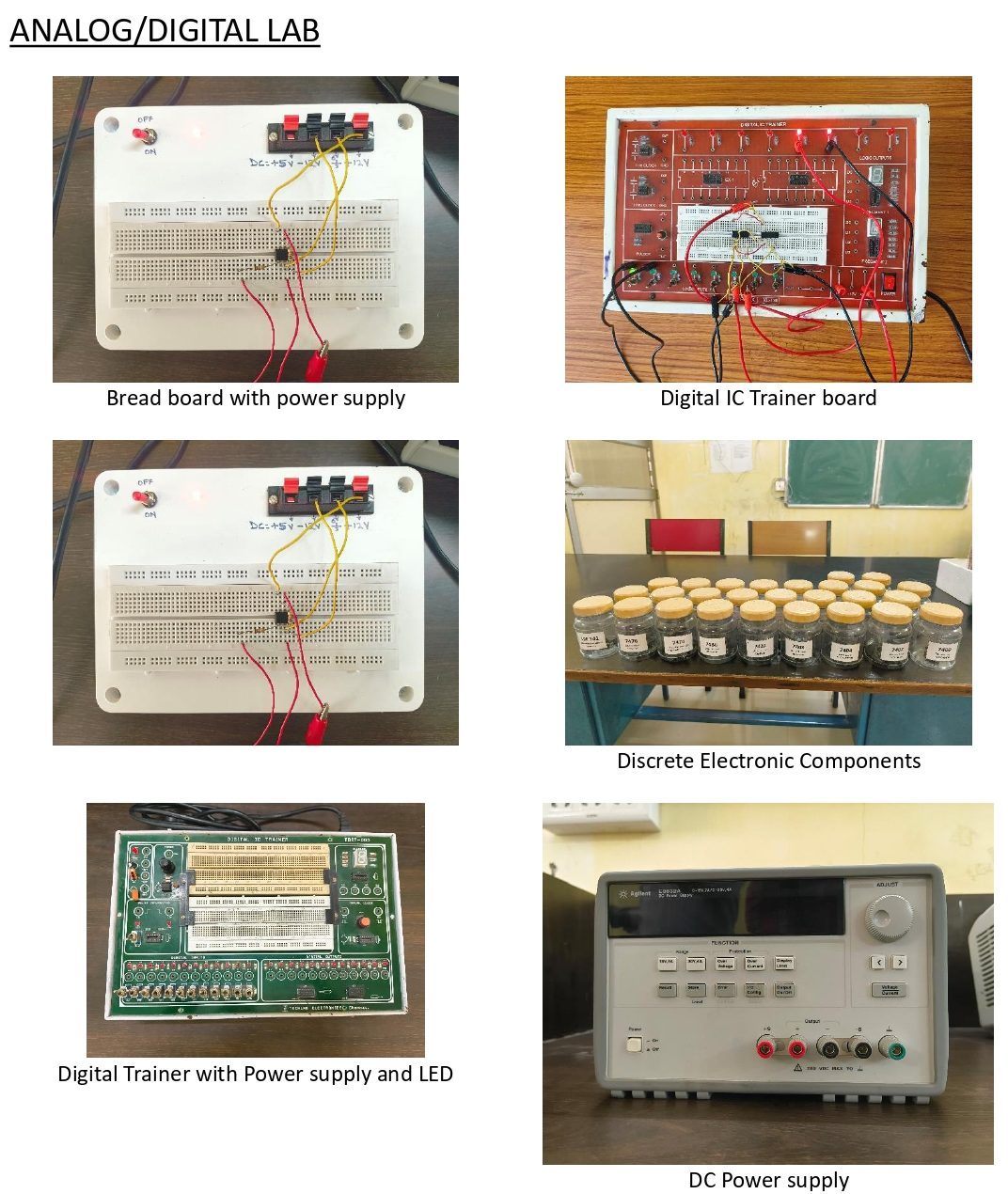
The department has several specialized laboratories, including:
Faculty members are actively engaged in research in areas such as:
The ETC department actively participates in conferences, workshops, faculty development programs, and collaborative research activities. Recently, the department co-organized the international conference AIMLCPS 2026, focusing on Artificial Intelligence & Machine Learning applications in Communication and Power Systems.
Researchers from PMEC contributed to India’s indigenous semiconductor chip initiative by developing a high-performance multiplier IC for FPGA/ASIC-based face recognition applications in collaboration with NIT Rourkela. The achievement was featured byThe Times of India.
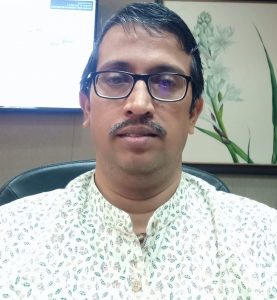
Welcome to the Department of Electronics and Telecommunication Engineering at Parala Maharaja Engineering College (PMEC). I extend a warm greeting to you through our department's website page.
The field of Electronics and Telecommunication Engineering is at the forefront of technological advancements, shaping the way we communicate and connect with the world. At PMEC, our department is dedicated to providing a comprehensive and cutting-edge education to aspiring engineers in this dynamic discipline.
Our esteemed faculty members bring a wealth of experience and expertise to the classroom. They are passionate about teaching and research, and they strive to impart the necessary knowledge and skills to our students. With a focus on innovation, critical thinking, and problem-solving, we aim to create a learning environment that nurtures creativity, technical proficiency, and a deep understanding of the subject.
The curriculum offered by our department is designed to cater to the evolving needs of the electronics and telecommunication industry. It encompasses a wide range of subjects, including digital electronics, analog and digital communication, VLSI design, signal processing, wireless communication, and networking. The curriculum is regularly updated to incorporate the latest advancements and emerging technologies, ensuring that our students are well-prepared to tackle the challenges of the industry.
To complement the theoretical aspects, we provide state-of-the-art laboratories and advanced software tools that facilitate hands-on learning. Our well-equipped laboratories enable students to gain practical experience in areas such as electronics circuits, communication systems, VLSI design, and embedded systems. Through hands-on experiments, projects, and research work, we encourage our students to apply their theoretical knowledge and develop a strong foundation in practical skills.
At PMEC, we believe in holistic development and offer various opportunities for our students to explore their interests and talents. We encourage active participation in technical competitions, workshops, seminars, and national-level conferences to foster innovation, collaboration, and professional growth. We also promote the formation of student chapters and organizations that provide platforms for networking and industry interaction.
Our department maintains strong ties with the industry and collaborates with renowned organizations to bridge the gap between academia and the real world. Through industry internships, industrial visits, and guest lectures by industry experts, our students gain valuable insights into industry practices and trends. These interactions not only supplement classroom learning but also enhance their employability and make them industry-ready.
I invite you to explore our website to learn more about our faculty, laboratories, research projects, and other relevant information. Whether you are a prospective student, a current student, or a visitor seeking information about our department, we hope that our website serves as a valuable resource.
Please feel free to reach out to us if you have any queries or require further assistance. Our faculty and staff are here to support and guide you on your educational journey.
Thank you for visiting our website and considering the Department of Electronics and Telecommunication Engineering at PMEC. We look forward to being a part of your academic and professional growth.
Best regards,
Dr. Dinesh Kumar Dash
Head of the Department (Electronics and Telecommunication Engineering)
Parala Maharaja Engineering College (PMEC)
The department is offering
To be updated soon...




| Sl. No. | Laboratory Name |
|---|---|
| 1 | Basic Electronics Laboratory |
| 2 | Analog/Digital Electronics Laboratory |
| 3 | Digital Signal Processing Laboratory |
| 4 | Communication Engineering Laboratory |
| 5 | Microprocessor and Microcontroller Laboratory |
| 6 | Analog/Digital Communication Laboratory |
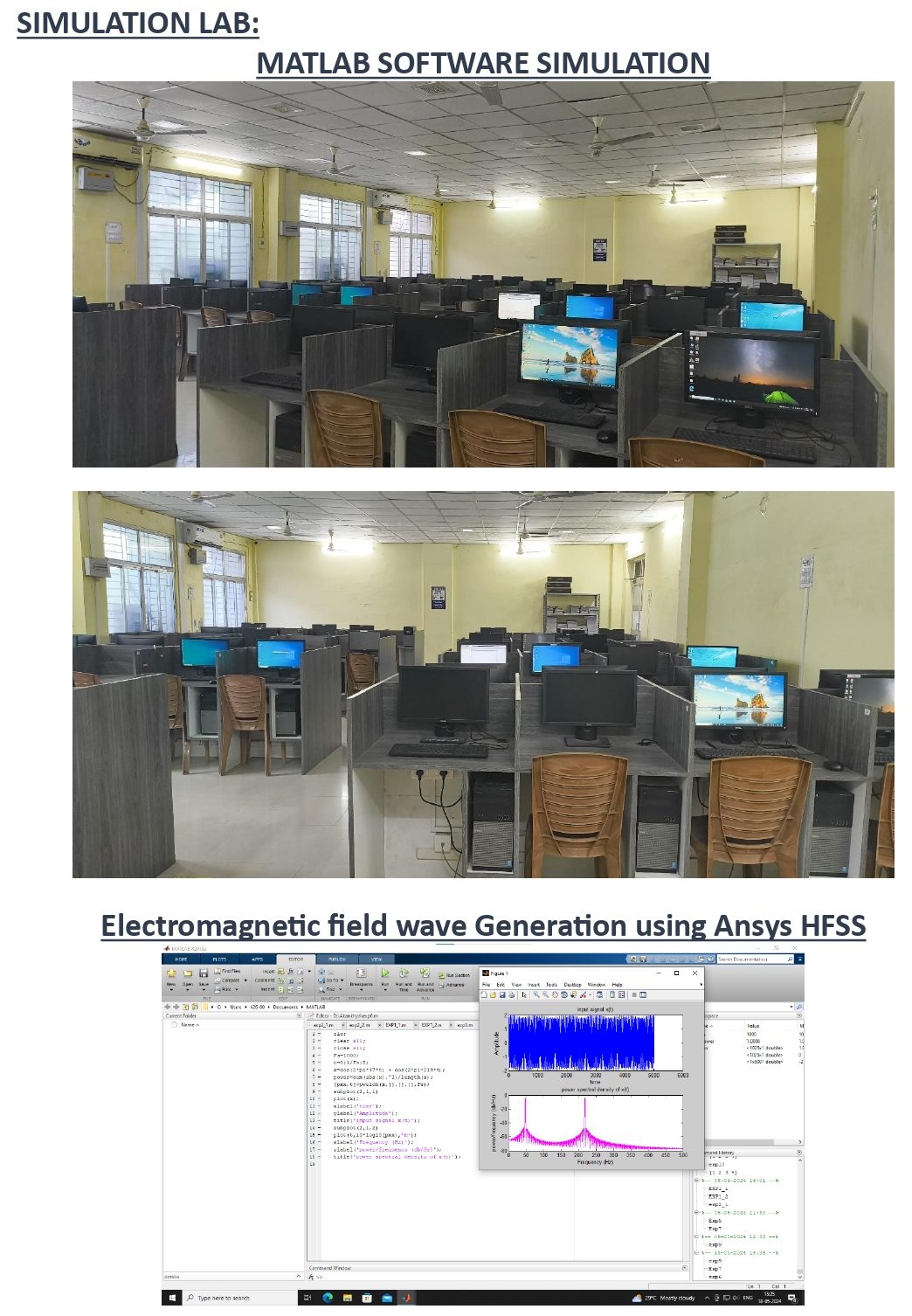
| 7 | VLSI Design Laboratory |
| 8 | Microwave Engineering and Antenna Design Laboratory |
| 9 | Electromagnetic Field Theory Laboratory |
| Sl. No. | Laboratory Name |
|---|---|
| 1 | Embedded System Design (ESD) Laboratory |
| 2 | Electronic Device, Circuit & System Design (EDCSD) Laboratory |
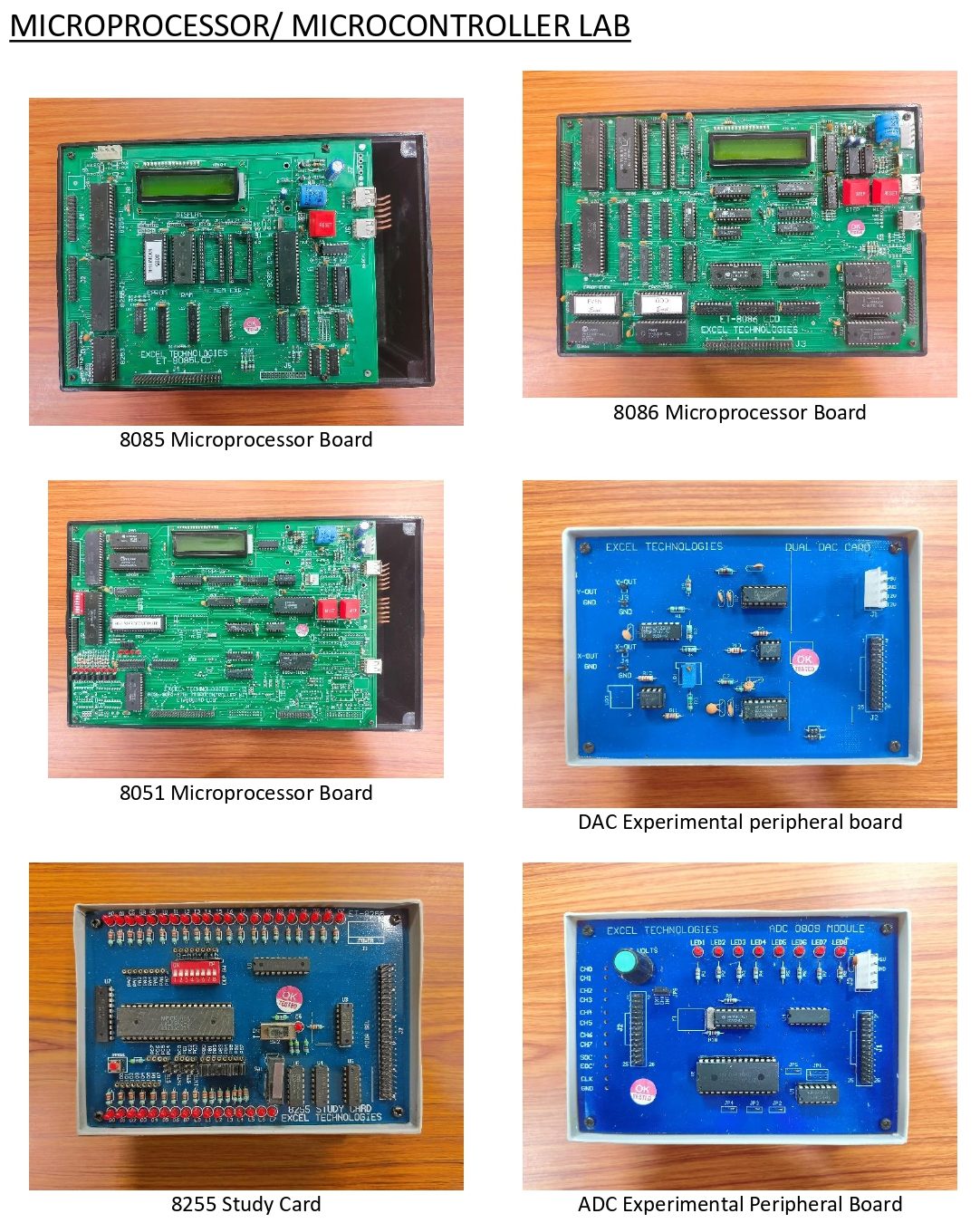
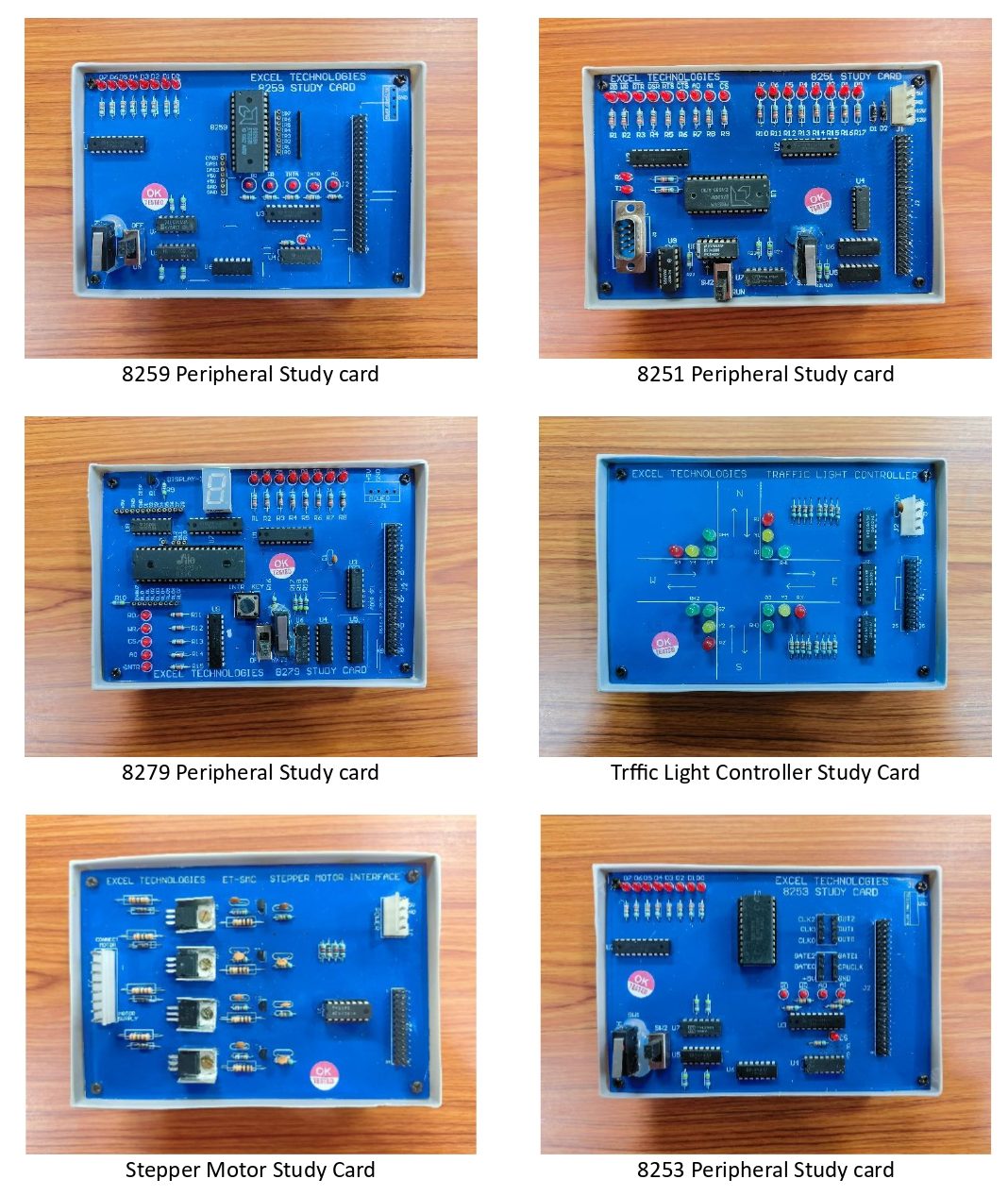
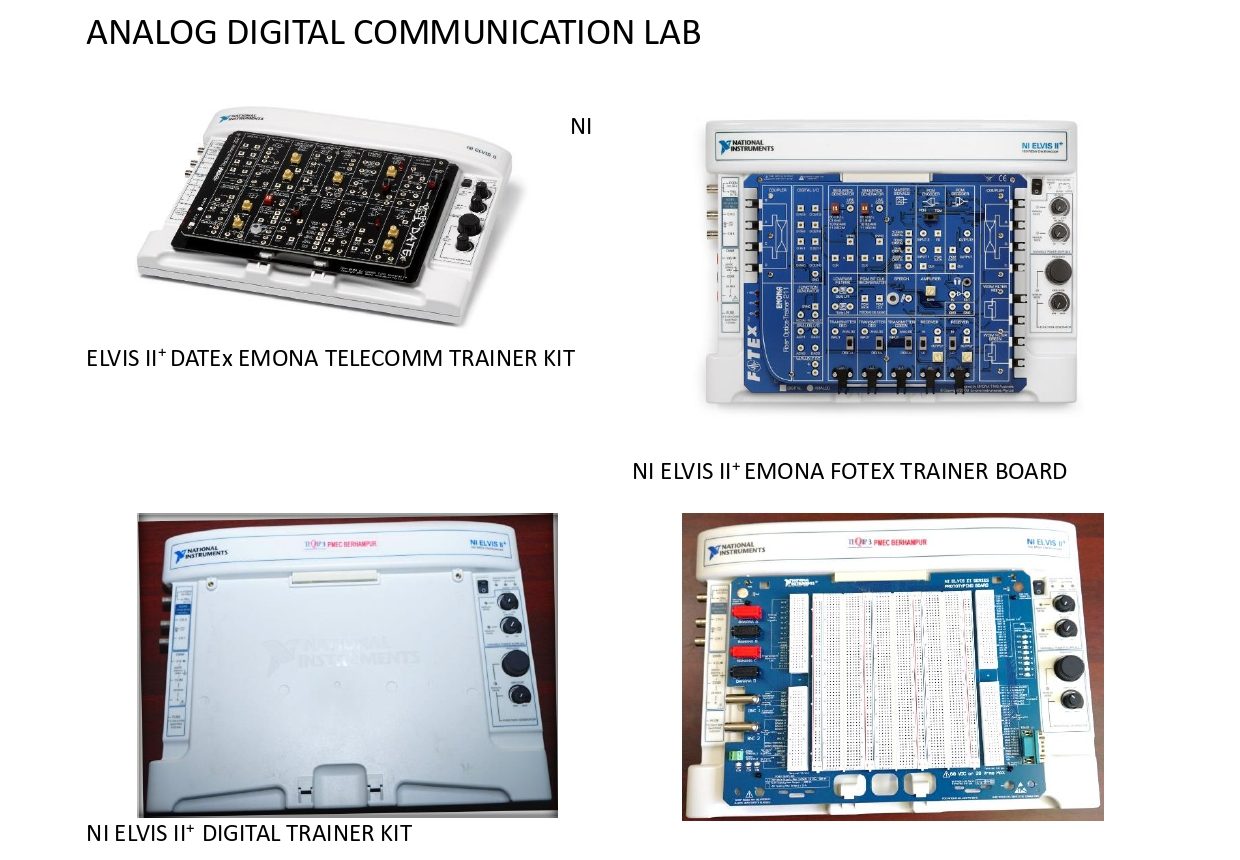
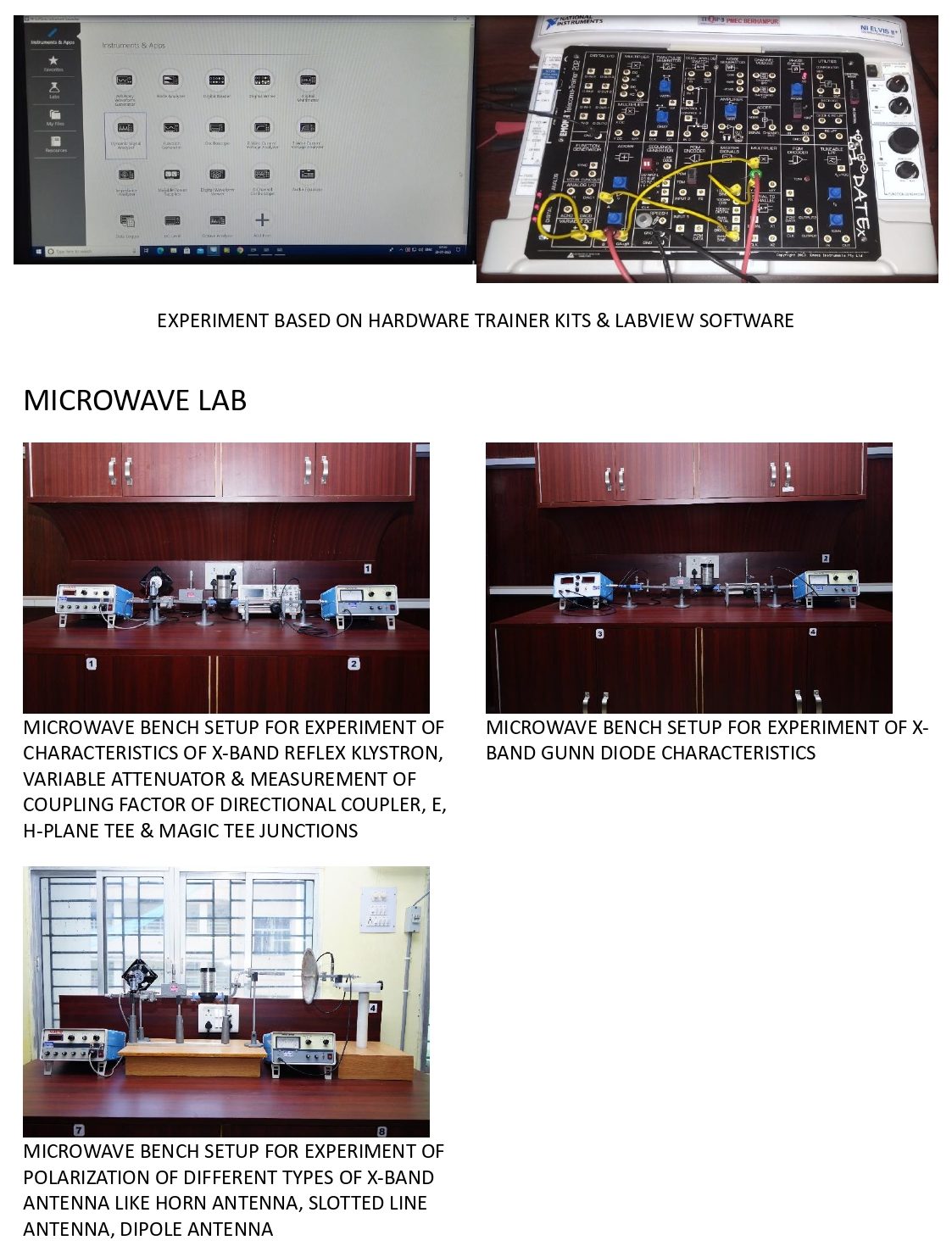
To be updated soon...
|
S.N. |
Name |
Contents |
| 1 | Dinesh Dash | Basic Electronics |
| 2 | Nawal Topno | Digital Electronics |
| 3 | Ashis K sarangi | Antenna & wave propagation |
| 4 | Akshya k Dash | Digital Electronics |
| 5 | Akankhya Mohanty | Digital Signal Processing |
| 6 | Sankhamitra Sunani | Electro Magnetic Theory |
| 7 | Ashis K sarangi | High Frequency Engineering |
| 8 | Sanatan Mohanty | Mobile communication Notes and Question Papers |
| 9 | Nawal Topno | Microprocessor and Micro Controller |
| 10 | Dr. Raghunandan Swain | Semiconductor Devices |
To be updated soon...
| Sl. No. | Title of the Project | Department | Year | Amount (INR Lakhs) | Duration | Funding Agency |
|---|---|---|---|---|---|---|
| 1 | Efficiency Improvement in Quantum Dot Tandem Solar Cells for Enhanced Spectral Absorption through Multiple Exciton Generation | Electronics & Telecommunication Engineering | 2026 | 1.75 | 2 Years | Parala Maharaja Engineering College under Seed Money Project Grant (SMPG) scheme |
| 2 | Hardware Implementation of Face Recognition System for Criminal Identification Using FPGA and ASIC | Electronics & Telecommunication Engineering | 2023 | 65.19 | 5 Years | MeitY, Govt. of India |
| Milestones | Year |
|---|---|
| Department of ETC started offering a 4-Year B.Tech Degree affiliated to BPUT with AICTE approved intake capacity of 60 students | 2014 |
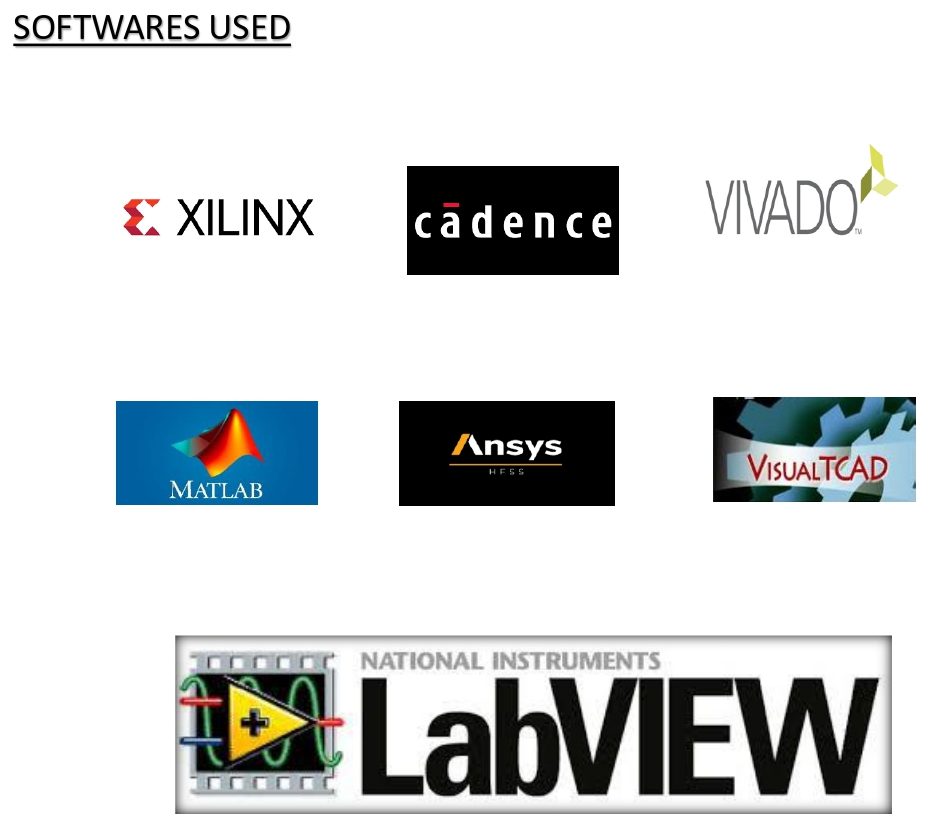
| Establishment of NI Labview integrated Advanced Analog/Digital Communication Laboratory and Procurement & installation of Cogenda TCAD software with a budget of 45 Lakhs under TEQIP-III | 2019 |
| Formation of the Technical Society of the Department "ETIOS" by students | 2020 |
| Establishment of VLSI laboratory with Vivado, Cadence software and Establishment of Microwave Engineering Laboratory with HFSS software (budget 40 Lakhs) under State Govt. funding | 2022 |
| Establishment of Electronic Device, Circuit, and System Design (EDCSD) Laboratory with a funding of 65.19 Lakhs under C2S scheme by MeitY, Govt. of India | 2023 |
| Showcasing of one of the first indigenous semiconductor chip designed and fabricated by students and faculty of the department using SCL 180 nm technology at SEMICON 2025 in New Delhi | 2025 |
| Opening of 2-Years M.Tech Degree in VLSI and Embedded Systems Design affiliated to BPUT with AICTE approved intake capacity of 18 students | 2026 |